
How to Increase Meta Ads ROAS for Clothing Brands in India
In this article
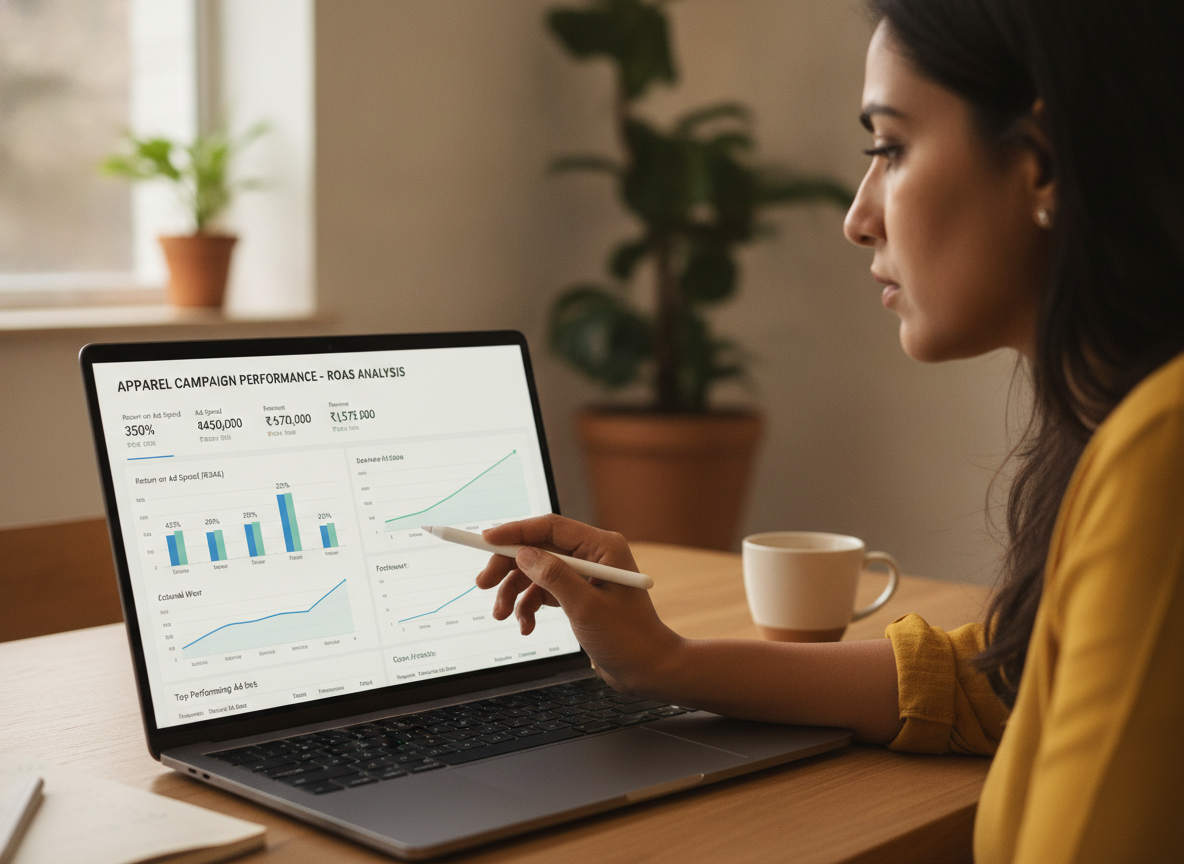
Indian fashion e-commerce is highly price-sensitive, making profitable customer acquisition difficult. This article explains how clothing brands operating in India can optimize their ad creative, adjust pricing strategies, and scale their Meta Ads ROAS effectively.
- Understand the impact of tight COGS on ad profitability in India.
- Implement product bundling to offset rising shipping and ad costs.
- Discover alternative prospecting methods during expensive peak seasons like Diwali.
- Automate your creative testing with EngageReel.
For evidence-backed context, see our D2C fashion ROAS case study and creative fatigue playbook before restructuring campaigns.
Are you struggling to break past a 2-3x ROAS on Meta Ads for your Indian clothing brand? High cost of goods sold (COGS), expensive logistics, and intense price sensitivity mean that even well-targeted campaigns can fail to yield actual profit. By overhauling your creative strategy and average order value, you can transform break-even campaigns into profitable growth engines.
Why do Indian consumers demand highly contextual ad creative?
The Indian apparel market is exceptionally crowded. Shoppers are bombarded with options ranging from hyper-local D2C brands to massive marketplaces. Generic studio shots fail to capture attention. To succeed, brands must deploy localized, contextual creatives that resonate with the target demographic's lifestyle.
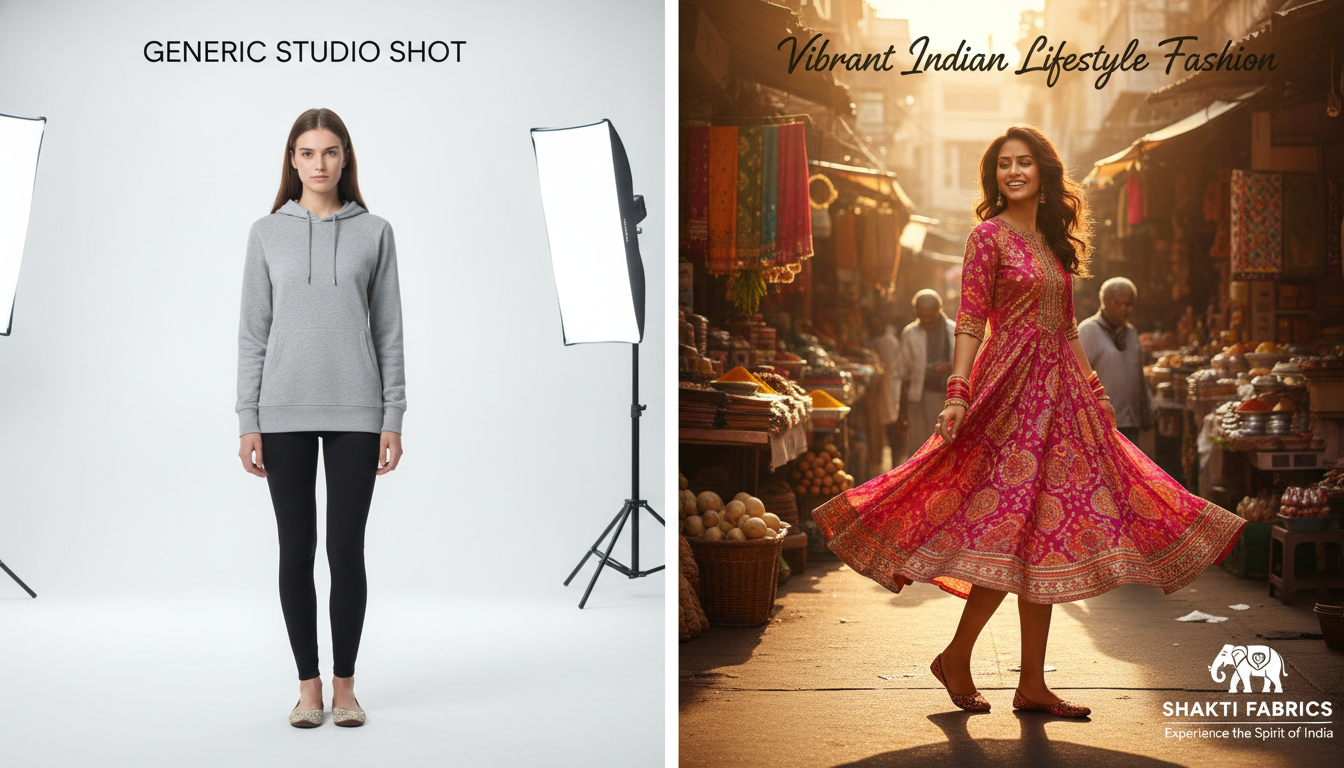
According to market research analysts, and understanding customer price sensitivity are crucial; simply mirroring international ad strategies does not work. Ads must clearly communicate value, fabric quality, and fit to overcome the inherent skepticism of first-time buyers in this region.
How does pricing strategy dictate your true profitability?
In India, the margin for error is razor-thin. When you factor in manufacturing costs, shipping (which is often expected to be free), and operational overhead, the selling price leaves little room for high customer acquisition costs (CAC). If your T-shirt costs ₹350 to make and ₹100 to ship, selling it for ₹599 means you must acquire customers incredibly cheaply.
| Cost Component | Estimated Cost (INR) | Impact on Margin |
|---|---|---|
| COGS (Manufacturing) | ₹300 - ₹400 | High |
| Shipping & Logistics | ₹80 - ₹120 | Medium (Erodes profit if free) |
| Other Overhead | ₹50 | Low |
What role does product bundling play in offsetting high CAC?
To survive rising Meta CPMs, Indian brands must increase their Average Order Value (AOV). Selling a single low-margin item is rarely profitable on paid social. Bundling—such as offering a 3-pack of basic tees or a "buy two, get one at 50% off" deal—is a proven tactic.
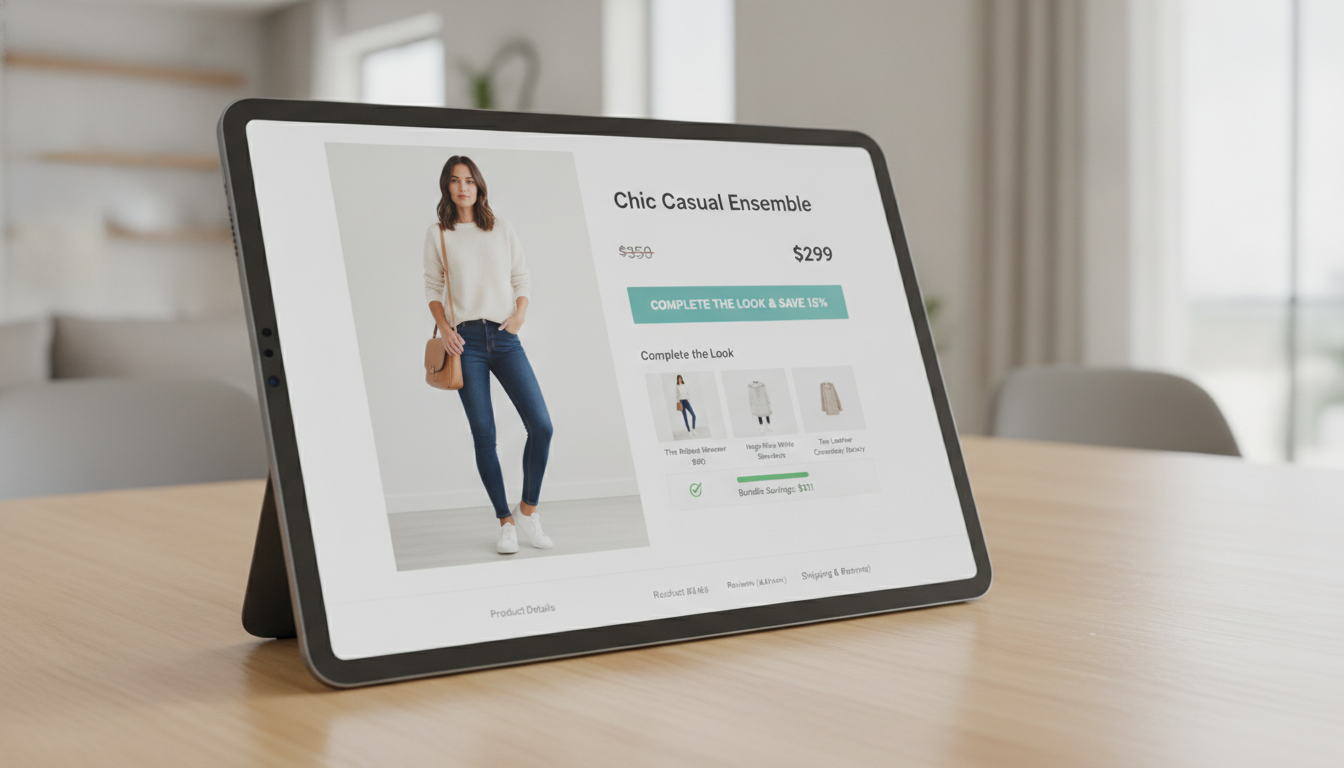
By forcing the AOV higher, the brand absorbs the CAC more efficiently. A customer acquired for ₹300 who buys a ₹1,200 bundle is significantly more profitable than one who buys a single ₹600 item, even if the ROAS number on the Meta dashboard looks identical.
Finding cheaper impressions during peak seasons like Diwali
During major Indian festivals like Diwali, major e-commerce players flood Meta with massive budgets, driving CPMs to unsustainable levels for smaller D2C brands. Competing directly in broad conversion campaigns during these weeks is a fast way to burn cash.
Instead, brands should pivot to lead generation, email capture, or top-of-funnel engagement campaigns just before the peak season. Building a lukewarm audience via cheaper impressions allows you to retarget them via SMS or email when ad costs spike, bypassing the Meta auction entirely during the most expensive days.
EngageReel automates creative testing and spend allocation
Running continuous creative tests to find winning, localized ads in the Indian market requires intense manual labor. EngageReel—an AI ad performance and creative platform for fashion eCommerce—automates this entire process. It watches every creative you run, learns what converts, and optimizes Meta, Google, and TikTok spend 24/7.
By utilizing EngageReel, brands can quickly identify which hooks and visual formats overcome local price sensitivity, automatically scaling the winners and pausing the losers without daily manual intervention.
Frequently asked questions
Why is my Meta Ads ROAS so low in India?
Low ROAS in India is often driven by a combination of high price sensitivity, expensive logistics, and intense competition. Additionally, if your creative does not clearly demonstrate value and quality, local shoppers will hesitate to convert, driving up your CAC.
How can I improve margins without raising prices?
The most effective way is to increase Average Order Value (AOV) through product bundles, volume discounts, or upselling complementary items at checkout. This spreads the acquisition cost across a larger revenue amount.
Are static images or videos better for Indian fashion ads?
Video content, particularly user-generated style hauls and fabric close-ups, generally outperforms static images because it builds trust. Indian consumers want to see how the garment fits and moves before purchasing.
Should I run ads during Diwali if my budget is small?
If your budget is limited, it is often better to avoid direct conversion campaigns during peak Diwali days when CPMs peak. Instead, build your audience beforehand and rely on owned channels like email and SMS for conversions during the festival.
What is a realistic ROAS for a new D2C clothing brand in India?
For a new brand, a 2x to 3x ROAS is typical during the initial learning phases. Achieving higher returns requires dialing in your product-market fit, establishing a strong retention strategy, and optimizing your creative pipeline continuously.
References
- Baymard Institute — How to Increase ROAS in Meta Ads for a clothing brand in India (2026)
- eMarketer — Case Study on Increasing ROAS (2024)
- Shopify Enterprise — How to Improve ROAS in Online Fashion Advertising Campaigns (2026)
- Deloitte Digital — ROAS: What it is, How to Calculate it (2025)
- Meta Business Insights — 5 Ways to Boost ROAS for Fashion & Beauty Advertising (2021)